
Wealth Building. Wealth Preservation. Financial Independence. Antifragile.
Don’t let the Infinity symbol and the name Bank fool you. This IS NOT a life insurance scam. You can Be Your Own Banker without buying a life insurance from a snake oil salesman. Why there is so much of these scammers publishing videos on YouTube and books on Amazon. It’s not because they want to keep you informed?! It’s because the commissions are extremely generous for the seller. 50-100% commission for the first year premium and 2-10% for years to come.
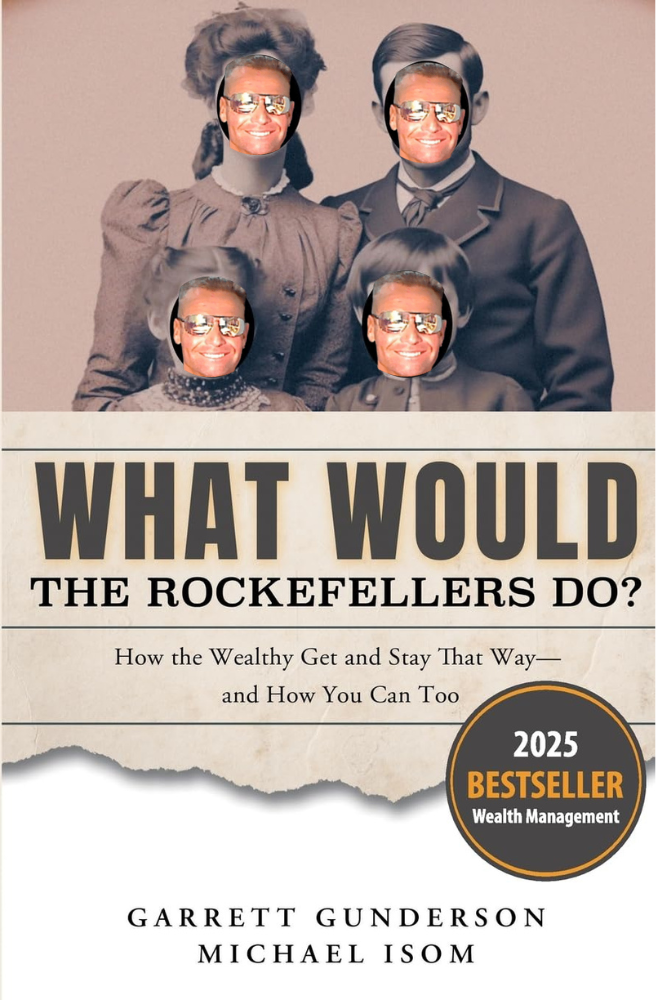
No, you won’t become a Billionaire by buying Life Insurance.
No, Life Insurance wasn’t a determining factor in the Rockefeller dynasty’s remaining fortune today.
- 99% of dynasty wealth came from Standard Oil
- Then from 140 years of holding blue-chip stocks and compounding did the rest.
- Whole Life Insurance returns are 1-4%.
Yes, the PYGOD Bank concept is inspired by the dynasty Family Bank like the Rockfellers, Rothschilds, etc.
However, unlike most Family Offices, I don’t need a bunch of full-time overpaid parasites (CFO, lawyers, accountants, etc) to run it.
Family Banks vs Companies
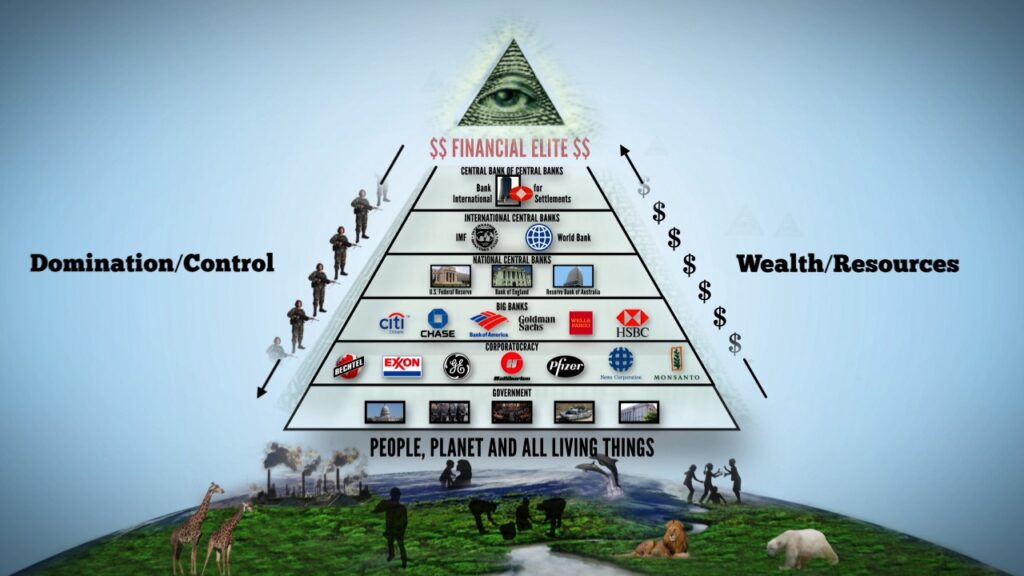
Rockefeller-style and Rothschild-style Family Banks are the strongest financial entities ever created.
And here’s why:
🦁 1. Companies Die. Family Banks Don’t.
Even the largest companies on Earth eventually get:
- disrupted
- outcompeted
- regulated
- replaced
- innovated around
- Examples:
- GE fell
- IBM fell
- Nokia fell
- BlackBerry fell
- Sears died
- Kodak died
- Oil giants fluctuate
- Even today’s stars (Meta, Google, Apple, Nvidia) could be disrupted someday. That’s the reason why $PYFC 2.0 is also invested in Gold and the broad S&P500 Index.
No corporation is immortal.
But a Family Bank?
- It doesn’t sell one product
- It doesn’t depend on a single market
- It doesn’t rely on innovation cycles
- It can change direction instantly
- It can own ANY asset class, anywhere
A family bank is not a business.
It is an architecture of wealth.
🏦 2. A family bank can survive ANY economic cycle
- Recessions
- Depressions
- Hyperinflation
- War
- Regime change
- Tech shifts
- Market crashes
- Industry death
Family banks survive because:
- They hold diversified assets
- They lend instead of consume
- They NEVER sell in panic
- They don’t have shareholders demanding returns
- They think in 100-year time frames
The Rothschilds survived:
- The fall of Napoleon
- The Crimean War
- World War I
- World War II
- The Great Depression
- Multiple fiat currency collapses
- Regime changes in Europe
No corporate entity has EVER survived that level of destruction.
But their family bank did.
💎 3. Family banks do not depend on external capital
Corporations require:
- customers
- innovation
- product-market fit
- revenue
- investor confidence
- access to credit
Family banks require:
- discipline
- capital preservation
- compounding
- internal lending
VERY different foundations.
A family bank cannot “fail” unless the family:
- destroys it
- empties it
- abandons discipline
It is antifragile by design.
🔥 4. A family bank can OWN companies, but companies cannot OWN a family bank
Rockefeller Family Bank → owned:
- Standard Oil
- real estate
- railroads
- banks
- oil pipelines
- global assets
- later tech stocks
But Standard Oil could NOT own the Rockefeller bank.
The bank sits ABOVE the economy.
Companies sit inside the economy.
That is why the hierarchy is:
Family Bank > Companies > Markets
🧬 5. Family banks are multi-generational capital machines
A company’s lifespan is typically:
- 10–50 years strong
- then plateau
- then decline
A dynasty bank’s lifespan?
Unlimited, as long as the rules are respected.
Examples:
- Rothschilds: 7 generations
- Rockefellers: 6 generations
- Mellons: 6 generations
- Waltons: now 3 generations and rising
Meanwhile…
The average U.S. corporation lasts 18 years.
🧠 6. They compound without extracting value
Companies must:
- pay dividends
- reinvest profit
- satisfy shareholders
- manage layoffs
- survive competition
Family banks:
- NEVER drain capital
- NEVER have external shareholders
- NEVER face disruption
- ALWAYS compound
They become Sovereign Financial Ecosystems.
👑 FINAL CONCLUSION
✔ YES — family banks are the strongest financial entities ever created.
✔ Stronger than companies.
✔ Stronger than corporations.
✔ Stronger than empires.
✔ Stronger than most nation-states.
Because:
- Companies survive markets.
- Family banks survive centuries.
A company is mortal.
A family bank is immortal — as long as the family follows the rules.
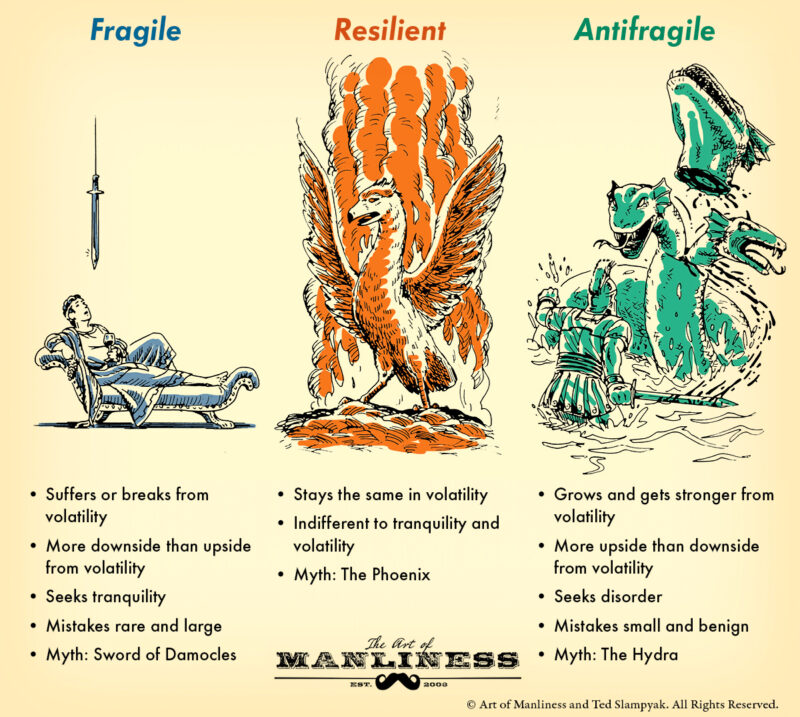
Mine is a conceptual Bank fueled by self-discipline, an Obsession for Money, and a quest for Financial Independence. Since MONEY is Freedom and Security. Two of the most valuable things in life!
PYGOD Bank History
March 16, 2022 — $PYFC 2.0 was created with an investment in Bitcoin.
June 3, 2022 — $PYFC 2.0 began investing in the stock market.
January 5, 2026 — The creation of $PYFC 2.0 was completed, establishing the permanent principal and primary growth engine of PYGOD Bank.
July 9, 2026 — The BBND Fund was established, allowing PYGOD Bank to use conservative margin borrowing to acquire additional income-producing assets.
September 11, 2026 — The Vault issued its first loan to its owner, officially beginning PYGOD Bank’s internal lending operations.
September 13, 2026 — Print-On-Demand operations were consolidated into PYGOD Bank, expanding the Bank beyond financial investments to include income-producing operating assets.
The Road Ahead
March 16, 2032 — 10 year of Banking.
PYGOD Bank Goals:
- Wealth Building
- Wealth Preservation
- Financial Independence
- Antifragile.
PYGOD Bank Guidelines:
- Monthly contribution of $1 for each year of your age, or 10% of your profits, or 50% of expendable income—whichever amount is greater.
- 1% Consumption Tax paid to PYB on every non-business dollar spent.
- Can borrow up to 90% of The Vault at 5% interest. You must continue to contribute while paying back your loan monthly.
- Your loan(s) must not be more than what you make in 3 months.
- Never touch the principal ($PYFC 2.0).
- Rules can be amended.
PYGOD Bank has seven parts:
- The River — Growth and Collateral Portfolio; continuously converts available money into appreciating assets while providing access to liquidity through a Portfolio Line of Credit
- $PYFC 2.0 — The Perfect Investment Vehicle
- POD (Print-On-Demand) — Royalty-Producing Digital Asset; valued at 30× its average monthly net profit over the previous 12 months.
- BBND Fund — Margin Fund; margin loan ≤ 25% of collateral account(s)
- The Vault — Savings & Loans; 6–24 months of living expenses
- Freedom Fund — Dividend Reserve Fund (DRF)
- MONEY Bin — Start Over Fund; 1–2 years of living expenses
PYGOD Bank can have multiple accounts just like a bank has multiple branches.
TITHE TO YOURSELF
- The required monthly contribution is $1 for each year of your age (especially suitable for children), 10% of all Receipts, or 50% of expendable income remaining after living expenses—whichever amount is greater.
- Receipts include all new money earned or received, regardless of source, including POD net profits, employment income, service income, gifts, inheritances, bonuses, government benefits, other cash windfalls, and dividends distributed by PYGOD Bank. All Receipts are taxable by PYB.
- Receipts include proceeds from the sale of personal property when those proceeds represent capital freed for discretionary use. Proceeds required to replace an essential asset, such as a primary residence or vehicle, are excluded.
- Transfers between your own accounts and proceeds from loans are not Receipts.
- A 1% Consumption Tax is payable to PYB on every non-business dollar spent.
- PYB dividends are taxable by PYB and may be used to satisfy the required contribution.
- Contributions may be paid in advance and credited against future obligations.
- You shall always tithe. Being in debt does not suspend the obligation.
BORROWING FROM YOURSELF
The Vault (Emergency Corpus)
Goal: Maintain 6 to 24 months of living expenses available for borrowing if necessary. 12 months is the goal, but don’t stop until you hit at least 6.

- 12 Months of Expense invested in TCSH.TO, a high-interest (⁓3%) cash ETF.
Once the 12-month liquid base is secured, all new capital allocated to The Vault’s invested portion is invested through dollar-cost averaging:
- 20% Gold (PHYS)
- 80% Equity (VFV.TO)
Holdings are never sold or rebalanced solely to restore the original 80/20 allocation. The portfolio weights are allowed to drift naturally over time.
Into a TFSA (CELI) tax-free account, if possible.
- Only use it in absolute necessity.
- Can borrow up to 90% of The Vault at 5% interest. You must continue to contribute while paying back your loan monthly.
- Your loan(s) must not be more than what you make in 3 months.
- Rules can be amended.
5% year interest (compound daily) = Monthly Interest: 0.4166666%/month (x 0.0041666)
Calculated Monthly on the Last Day of the Month
Compound Daily (365) 5%/365 = 0.0136986% (x 0.0001369)
Weekly: 0.0961538% (0.000961538)
Minimum Monthly Payment
2% of the balance or $50 if the 2% of the total amount you owe is less than $50.
Payable on the first of each month.
The River
The River is PYGOD Bank’s long-term growth and collateral engine.
Available capital is invested in VGT (Vanguard Information Technology ETF). The portfolio provides access to a Portfolio Line of Credit, which may be used to purchase additional VGT within The River.
Borrowing is limited to 20% of the portfolio’s collateral value, providing controlled leverage while allowing the entire position to remain invested and compound over time.
The total VGT position is recorded as an asset, while the outstanding Portfolio Line of Credit is recorded separately as a liability. The difference represents The River’s net value.
Over the long term, The River is intended to become the largest asset of PYGOD Bank.
BBND Fund (Buy Borrow Never Die Fund)
In other words, a margin account.
An income engine financed by borrowed Money with the well-established $PYFC 2.0 as collateral.
Margin Rules
- Maximum target margin usage: 25%.
- Temporary increases up to 30% are permitted only if caused by market declines—not by additional borrowing.
- Collateral must consist exclusively of long-term “forever” investment accounts. Personal accounts, emergency funds, and The Vault must never be pledged as collateral. Current collateral: $PYFC 2.0 (ledger-held cryptocurrency excluded).
- Do not invest new capital directly into the BBND Fund. The fund exists solely to borrow against the collateral account. All new investments belong in the collateral account, strengthening both net worth and future borrowing capacity.
- Investment income should pay the carrying costs. Whenever possible, distributions, dividends, or other investment income generated by the BBND Fund should be used to pay margin interest before any excess income is reinvested.
Philosophy
The BBND Fund is conceptually similar to taking out a second mortgage on a house—except the collateral is a diversified investment portfolio instead of real estate.
The objective is not to sell long-term assets, but to unlock a portion of their value while allowing them to remain invested and continue compounding.
Conservative leverage is the foundation of the strategy. By maintaining a target margin usage of 25%, with a temporary tolerance of 30% due solely to market declines, the probability of forced liquidation is significantly reduced while preserving access to long-term liquidity.
Selection Criteria
First: High and reliable distributions (yield or dividends) to pay the margin interest.
Second: Strong long-term total return (including capital appreciation, dividends/distributions, and stock splits) to grow the borrowed capital over time.
The ideal investment generates enough cash flow to service the debt while continuing to compound wealth over time.
DIVIDEND (The 3% Rule)
Freedom Fund (Dividend Reserve Fund, DRF)
- PYB distributes 0.25% of its market value each month, equivalent to a 3% annualized distribution rate.
- The distribution is calculated using PYB’s total market value at the time of each monthly calculation.
- The distribution is paid exclusively from The Vault.
- $PYFC 2.0 is the Bank’s permanent principal and shall remain untouched.
- The monthly dividend should ordinarily be transferred from The Vault to the Freedom Fund.
- The dividend should ideally remain untouched in the Freedom Fund, where it may be reinvested and accumulated for future use.
- Money in the Freedom Fund may be used for living expenses only when needed.
- When necessary, however, all or part of the monthly dividend may be retained within PYB and credited toward the required tithe/contribution instead of being transferred to the Freedom Fund.
- The long-term objective is for PYB to become large enough that its 3% annualized distribution can fully cover the owner’s living expenses without depleting the Bank’s permanent principal.
END GOAL
Live off the 3% yearly dividend and never have to worry about Money ever again. 😎
PYGOD BANK BALANCE SHEET:
ASSETS
- The River
- $PYFC 2.0
- The Vault
- BBND Fund (margin account)
- Loans to PYGOD
- Dividend Reserve Fund (DRF)
- POD (Print-On-Demand) accounts
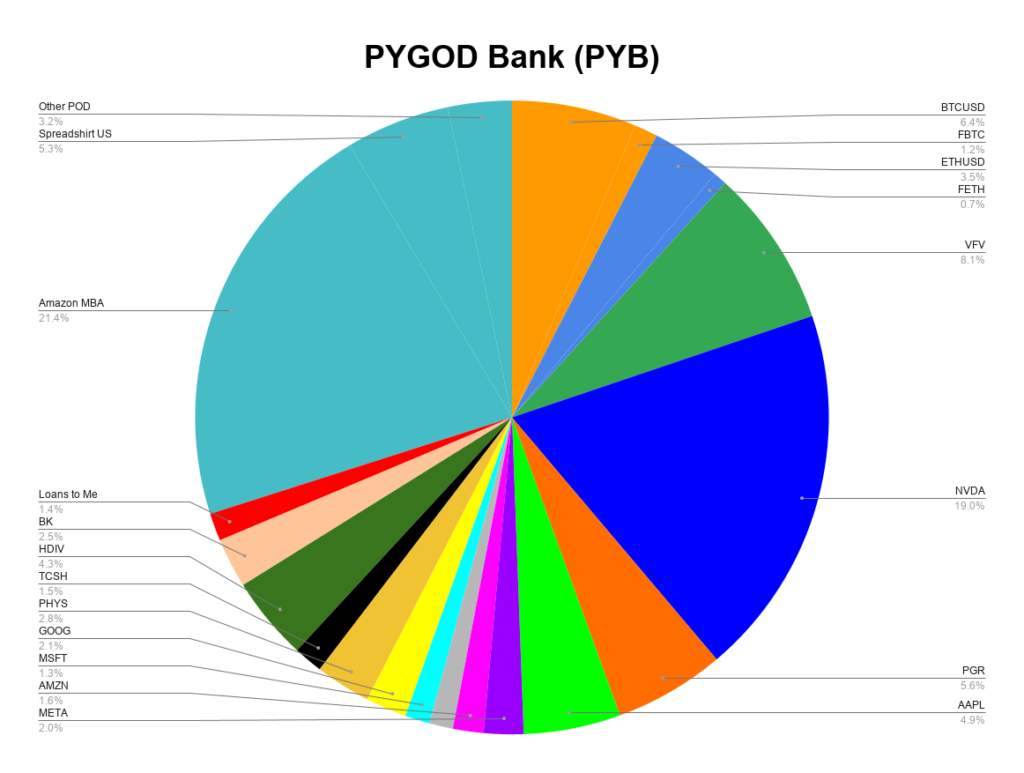
≤ 5% is a little ≥ 15% is a lot
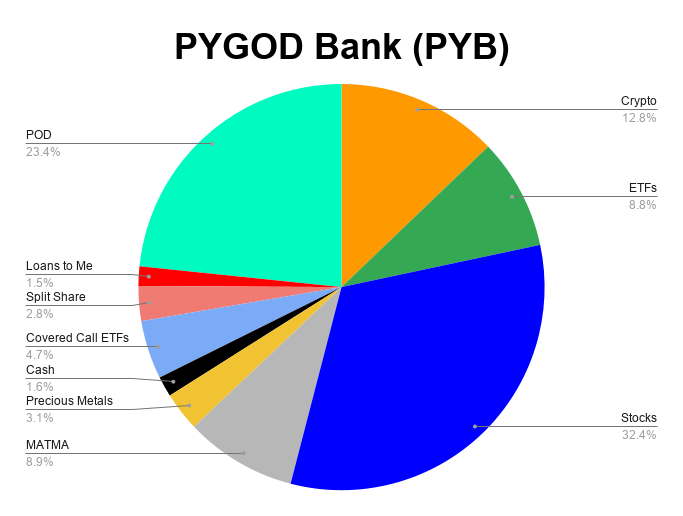
Updated September 13, 2026—the day POD was added to PYGOD Bank.
The strength of PYGOD Bank comes from $PYFC 2.0 — a powerful growth engine accounting for 80% of the PYGOD Bank’s capital.

$PYFC (PYGOD Freedom Conglomerate)
PYGOD, Investor/SCA at $PYFC
(Supreme Capital Allocator)
pygod@pygear.com
PYFC.ca
A Foundation, a Collection, a Sovereign Wealth Fund, a Conglomerate, a Currency, and ‘The Secret’ all mixed into one.
One Vehicule: Stock Market (cryptocurrency was an “happy accident” that turned $PYFC into $PYFC 2.0)
Only a few stocks. Only the best.
Only one formula:

Punch Card x Coffee Can
20 Punch Card Portfolio:
“I always tell students in business school they’d be better off when they got out of business school to have a punch card with 20 punches on it. And every time they made an investment decision, they used up one of their punches, because they aren’t going to get 20 great ideas in their lifetime. They’re going to get five or three or seven, and you can get rich off five or three or seven. But what you can’t get rich doing is trying to get one every day.” – Warren Buffett
You have 20 slots (1 investment per slot) for the rest of your life. Choose wisely and carefully.
“The Coffee Can Portfolio harkens back to the Old West, when people put their valuable possessions in a coffee can and kept it under the mattress. The coffee can involved no transaction costs, administration costs, or any other costs. The success of the program depended entirely on the wisdom and foresight used to select the objects to be placed in the coffee can to begin with.” – Robert G. Kirby
In other words, you buy stocks with an investment horizon of at least 10 years and you never sell no matter what. Forget every conventional “wisdom” about diversification and overexposure to a given company or industry. Don’t ever try to time the market. Just HODL (Hold On for Dear Life). The portfolio is not optmized for short-term gains.

Think on a
10-, 20-, and 50100-year horizon.

3 measuring sticks:
- AUM (Asset Under Management)
- IC (Invested Capital)
- ROI (Return On Investment)
Goals:
- Capital preservation.
- Long term growth.
6 Pillars:
- PGR
- NVDA (Formerly the “N” in MATMAN)
- AAPL
- VFV.TO
- MATMA
N(META, AMZN, TSLA, MSFT, GOOG) ecosystem “ETF” - PHYS.TO
2 “Happy Accidents”:
- BTC
- ETH
Not a part of $PYFC 2.0
The perfect vehicule to park cash in The Vault
- TCSH.TO
The perfect vehicule for the BBND Fund (margin account).
- HDIV.TO
- BK.TO
Each stock is bought as a share in a business (as it is).
VGT (Vanguard Information Technology ETF) The perfect investment vehicle for The River. VGT is a diversified basket of leading U.S. technology companies. Its underlying index naturally reduces or removes declining companies while adding and increasing exposure to emerging winners over time. Unlike an individual stock, a diversified ETF is extremely unlikely to fall to zero. VGT spreads the risk across many companies while providing long-term exposure to technology—one of the primary engines of economic growth and innovation.

PGR (Progressive Insurance) The very best, used to be the backbone of $PYFC 2.0.

NVDA (Nvidia) Certainly the leader of the pack in the AI boom since NVDA is selling the pickaxes and shovels.

AAPL (Apple Computer) Enough said!
It’s probably the best business I know in the world.
— Warren Buffett about Apple

MATMAN (META, AMZN, TSLA, MSFT, GOOG) ecosystem “ETF” that I’ve created. 5 of The Magnificent 7, the two other NVDA and AAPL are just above. Since none of them were and are a particular favorite of mine. But as a unit, they make a lot of sense. NVDA was an official member (MATMAN at the time) before flying solo and becoming my new darling. One thing for sure, tech will always goes up on the long term.

VFV.TO (Vanguard S&P 500 Index ETF – Canadian version) Forget about gold, bonds, and real estate. Historically, the S&P 500 (American economy) has outperformed any other assets. My default investment.
Now you own a piece of the 500 largest publicly traded companies in the United States of America and every fucking stiff from the factory floor to the CEO is working to make you richer.
— The Position Of Fuck You by JL Collins

PHYS (Sprott Physical Gold Trust) Buying physical gold without the hefty premiums to pay on buying and selling it. The best of both worlds!
After selling some of my gold jewelry, I’ve changed my mind about gold as an investment. All I can tell you is that my bling-bling — despite the high premiums on buying and selling jewelry — ended up being one of my best investments, decades later.
I see Gold as a default investment just like VFV (S&P 500 Index ETF). A safe investment to fall back on when/if the AI bubble bursts and some of the Magnificent 7 companies get disrupted.
Money isn’t everything – gold is. Fuck T-bills! Fuck blue chip stocks! Fuck junk bonds! We’ve got the real deal! Money will always be paper, but gold will always be GOLD!
— Darwin Mayflower in Hudson Hawk (1991)
Here’s my two illegitimate bastards below. “Happy accidents” is what I like to call them. I see both as nothing more than glorified lottery tickets. But I like them anyway! Maybe they will be of some use one day.

BTC (Bitcoin) The undisputed King of cryptocurrency.

ETH (Ethereum) The distant number 2.
However, ETH can be staked for up to 2.7% APY (Annual Percentage Yield).
Apart from those two, I consider the rest to be worthless shitcoins used for gambling purposes only.
BBND Fund
HDIV.TO – Hamilton Enhanced Canadian Covered Call ETF
Likely the best vehicle for Canadian investors to invest on margin while letting the monthly distribution yield pay for the margin interest.
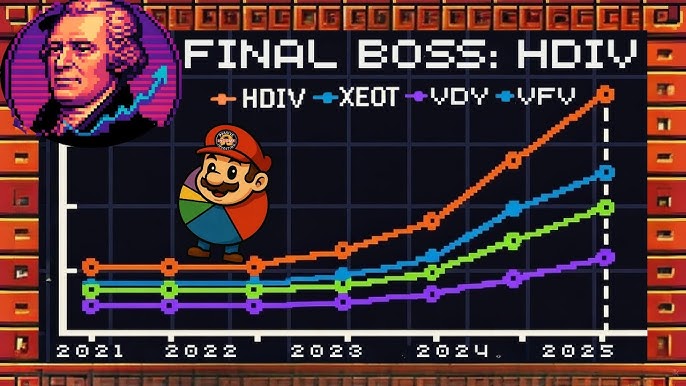
HDIV: The GREATEST Canadian ETF of ALL TIME? Growth Investors will be SHOCKED!
BK.TO – Canadian Banc Corp
Fits my two criteria for the BBND Fund perfectly.
First: A high monthly distribution targeting 15% annually, enough to cover the margin interest.
Second: Excellent long-term total return.
Proven through the 2008 Financial Crisis and the 2020 COVID-19 crash.
Invests exclusively in Canada’s Big Six banks:
- Toronto-Dominion Bank
- Royal Bank of Canada
- Bank of Montreal
- Canadian Imperial Bank of Commerce
- Bank of Nova Scotia
- National Bank of Canada
The Vault (Emergency Corpus)

TCSH.TO – TD Cash Management ETF
Following extensive research and analysis — as with everything on this list — TCSH is the best way to park cash in The Vault. Cash that remains available for personal loans when needed. With a safe ≈ 3% yield, TCSH has already beaten every alternative.
Americans have much better alternatives. But in Canada, this is about as good as it gets once you factor in the exchange rate.
You get up two and a half million dollars, any asshole in the world knows what to do: you get a house with a 25 year roof, an indestructible Jap-economy shitbox, you put the rest into the system at three to five percent to pay your taxes and that’s your base, get me? That’s your fortress of fucking solitude.
— Jim Bennett in The Gambler (2014)I ask wealthy people one simple question:Do you have $5 million liquid? You’d be shocked how many say no.They own assets — homes, watches, businesses — but no cash and when things go wrong… none of that matters.Liquidity is survival.I keep $5 million in T-bills for one reason:Peace of mind.Because when chaos hits, I don’t panic — I open my account.
— Kevin O’Leary
Asset Class: Private Debt
Vehicle: Loans to the Founder
Return: 5% annual interest
Purpose: Emergency financing
The purpose of The Vault, PYB’s emergency corpus, is to provide loans to its owner when necessary. Money borrowed from The Vault is not a withdrawal from PYGOD Bank. It is a loan that must be repaid with interest.
From the Bank’s perspective, the loan is an investment asset. Cash is exchanged for a receivable that earns a 5% annual return until repaid.
Loans shall be repaid with a Minimum Monthly Payment of 2% of the outstanding balance, or $50 if 2% of the outstanding balance is less than $50. Payments are due on the first of each month.
Example
$10,000 loan × 5% = $500 annual interest
The outstanding principal remains recorded under Loans to Me as an asset of the Bank until repayment.
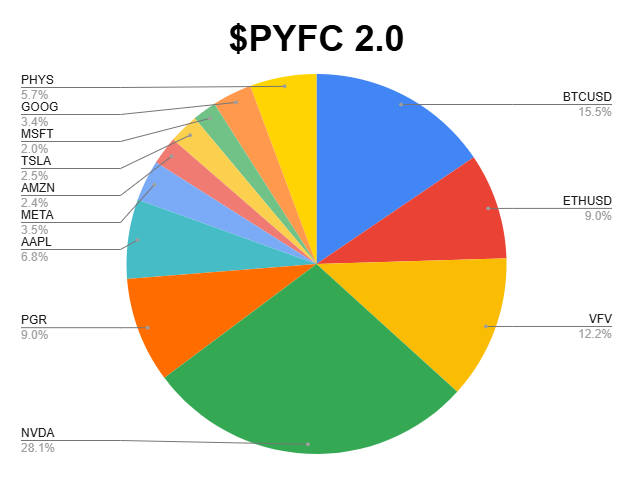
≤ 5% is a little ≥ 15% is a lot
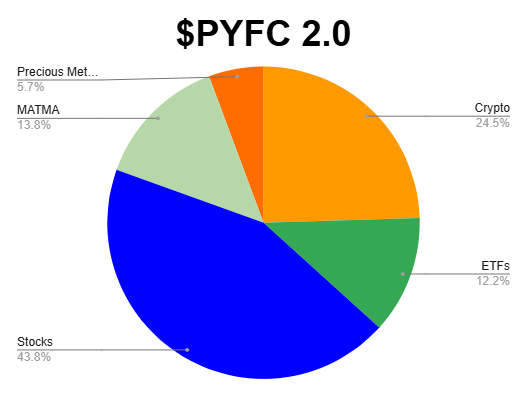
Updated January 5, 2026, with the completion of $PYFC 2.0
$PYFC 2.0
Fund Managed: 1
Founded: March 16, 2022 (Bitcoin); June 3, 2022 (Stock Market).
Investing Assets: Stocks, ETFs, Cryptos, Precious Metals
Investment Style: DCA x HODL/CONCENTRATION = $PYFC
Sector: Equity (Long)
Geography: United States
Time: Forever
Investment Stage: Late (Mature Companies)
Strategy: DCA x HODL/CONCENTRATION = $PYFC
# of Holdings: 11
The very best investment vehicule ever created. So great, it’s should be its own currency!
I’ve created it!
Now that you know The Secret, a well-deserved donation to $PYFC 2.0 would be more than appreciate.
POD (Print-On-Demand)

Licensing /Royalties / Passive Income Is The Sweetest MONEY You Can Get.
— PYGOD
My main, time-tested business is POD (Print-On-Demand): running online marketplace accounts that collect royalties from products sold with my designs on them.
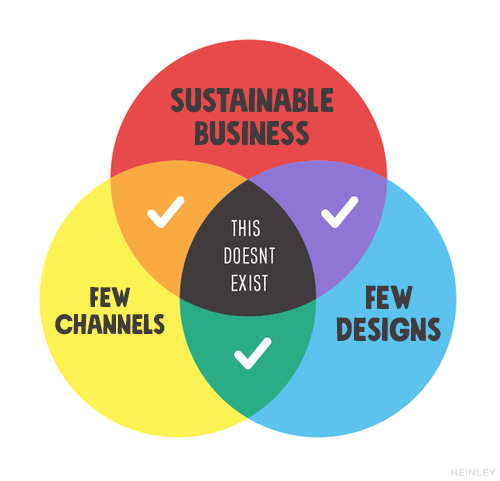
(channels = ways in which you distribute and make money from your art) – Michael Essek
The 40% Rule:
Average Monthly Net Profits (last 12 months) × 30 = POD Account(s) Value
2.5 years of profit is the conservative value for a POD account. Which represents a 40% annual return on investment.
POD accounts are usually sold at a 40× multiple, so a 30× multiple is a very conservative estimate of what will actually remain in your pocket after broker fees and other transaction costs.
As I like to say: It’s the sweetest Money you can get.
- Passive Income
- Nothing to do
- No operating fees, usually
- No marketing
- No customer service
- No acquisition cost
- No inventory
All you have to do is a huge quantity of T-shirt designs to start your business. It’s a number game. A lot of repetitive work is required at the beginning, including designing, upscaling, and uploading. To make this business successful, you’ll need thousands of designs published on several online platforms. You’ll also need a lot of patience, since the results don’t come fast.
There are risks. Platforms can change their algorithms, reduce creators’ royalties, limit the number of designs you can publish, or even ban your account. Their house, their rules.
Same thing. Instead, Lars Tiger did it with music instead of T-Shirt designs.
Lars Tiger makes $500K a year in royalties from his catalog of 25,000 songs published across several streaming platforms. 50% of his revenue comes from Apple, 15–20% from Spotify, and 30–35% from other smaller platforms. It certainly took a lot more than 2 hours a week to create and upload his entire catalog across all those platforms.
P.S. September 13, 2026 — Print-On-Demand operations were consolidated into PYGOD Bank.
MONEY Bin
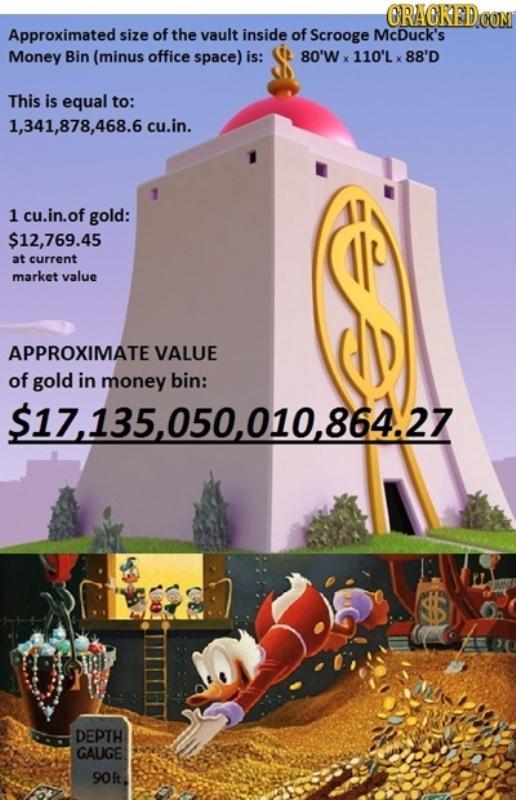
Start Over Fund — 1–2 Years of Living Expenses
The MONEY Bin is the final layer of PYGOD Bank.
It is funded only after the Bank’s more immediate capital requirements—particularly The Vault—have been satisfied. Reaching the MONEY Bin stage means the core financial system has already been successfully built.
The MONEY Bin is not an emergency fund. It is not working capital. It is not available for investments, ordinary financial hardship, or opportunities.
It is the ultimate reserve: enough independently held wealth to start over from scratch if everything else fails.
The target is 1 to 2 years of living expenses, held primarily in self-custodied Bitcoin, protected by an additional passphrase (“25th word”), for its portability, global liquidity, scarcity, and independence from traditional financial institutions. The trade-off is extreme volatility: Bitcoin can lose 50% or more of its value during major market downturns.
Treat it like a Treasure.
You should never touch it.
Except in case of a zombie apocalypse.
PYDRE produces income → PYB takes its contribution.
PYB produces a dividend → PYB takes a contribution from its own dividend.
Capital compounds inside PYB → $PYGOD Net Worth grows.
Even when PYB lends money to its owner → the loan earns 5% interest for PYB.
The Bank can pay you, lend to you, or receive from you, but capital is structurally encouraged to flow back toward the Bank.
Now, all you got to do is to fund it.
Feed the Bank!!!

Everything of the above, just like anything worthwhile in life, is only possible with one thing.
DISCIPLINE
The Bank Always Wins

PYGOD, Banker of PYGOD Bank
References:
Family Bank – Start One In 5 Simple Steps
https://www.linkedin.com/pulse/you-can-illuminati-following-three-steps-sudarsan-babu/
https://funcheaporfree.com/the-7-bank-accounts-your-family-should-have-updated/
https://jaserodley.com/why-you-need-a-freedom-fund/
https://www.quantumamc.com/asset-allocation
https://paradigmlife.net/personal-family-banking-system/
https://paradigmlife.net/understanding-the-wealth-maximization-account/
https://pitchbook.com/blog/what-is-a-fund-family
https://www.mynextbillion.com/p/generational-wealth
https://www.sentex.ca/~ggrevs/LearnToTitheToYourself.html
https://humbledollar.com/2017/10/self-tithing/
https://rossdawson.com/power-of-giving-away-profits/
https://petikspinayinvestor.wordpress.com/wp-content/uploads/2015/05/the-money-jars-edition-3.pdf
https://www.everydaycheapskate.com/how-to-be-your-own-lender/
https://www.rouletlaw.com/library/the-family-bank-strategy-that-keeps-wealth-in-your-bloodline.cfm
Rich Families Use This | The Family Bank Strategy
https://wisestacker.com/family-bank-5-tips-secure-financial-future/
https://www.peoplespolicyproject.org/projects/social-wealth-fund/
https://levelthefield.substack.com/p/creating-a-sovereign-wealth-fund
https://www.ubiworks.ca/gbi-vs-ubi
Trust Fund Baby How to ($300 per month)
https://sabercapitalmgt.com/practicing-a-punch-card-approach-to-investing/
https://brontecapital.blogspot.com/2016/09/comments-on-investment-philosophy-part.html
https://tdmgrowthpartners.com/insight/punch-card-mentality/
https://kestrel.ie/resource/practicing-a-punch-card-approach-to-investing/
https://sabercapitalmgt.com/the-coffee-can-edge/
https://novelinvestor.com/the-coffee-can-approach/
https://www.intelligentinvestor.com.au/investment-news/till-death-do-us-part-my-never-sell-list/139202
Why I Only Build on the S&P 500 (Not VTI, QQQ, or the Dow)
HDIV: The GREATEST Canadian ETF of ALL TIME? Growth Investors will be SHOCKED!
Why Oligarch’s Love Their Mega Yachts
https://onemaninvesting.wordpress.com/2019/09/02/the-case-against-a-100-sp-500-portfolio/
Comment gagner ses premiers revenus avec les revenus passifs !
Disclosures:
I am long BTC, ETH, NVDA, PGR, VFV, AAPL, META, GOOG, MSFT, AMZN, TSLA, PHYS, TCSH, HDIV, and BK.
The content contained in this whitepaper represents the opinions of PYGOD. You should assume PYGOD and his affiliates have positions in the securities discussed in this whitepaper, and such beneficial ownership can create a conflict of interest regarding the objectivity of this whitepaper. Statements and figures in the whitepaper are based on historical data and do not guarantee future performance. Investments in stocks, stock indices, cryptocurrencies and commodities can be volatile and are subject to certain risks, uncertainties and other factors. Certain information in this whitepaper concerning economic trends and performance is based on or derived from information provided by third-party sources. PYGOD does not guarantee the accuracy of such information and has not independently verified the accuracy or completeness of such information or the assumptions on which such information is based. Such information may change after it is posted and PYGOD is not obligated to, and may not, update it. The commentary in this whitepaper in no way constitutes a solicitation of business, an offer of a security or a solicitation to purchase a security, or investment advice. In fact, it should not be relied upon in making investment decisions, ever. It is intended solely for the entertainment of the reader, and the author. In particular this whitepaper is not directed for investment purposes.
Last updated: September 19, 2026
This is a living document and may evolve over time.
Circa 1808: John Jacob Astor (born July 17, 1763) becomes the world’s first millionaire.
Circa 1916: John D. Rockefeller (born July 8, 1839) becomes the world’s first billionaire.
June 2026: Elon Musk (born June 28, 1971) becomes the world’s first trillionaire.